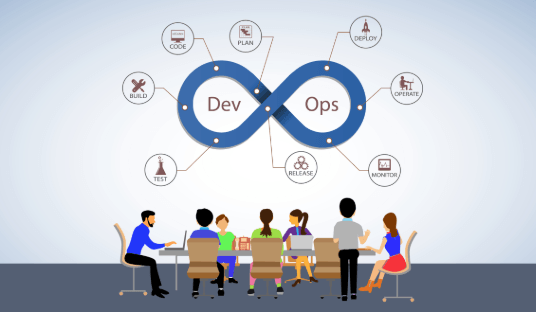
DevOps culture reframes silos as shared ownership, enabling cross-functional collaboration and faster value delivery. Teams co-own outcomes, align on automated workflows, and clarify responsibilities to reduce handoffs. Progress is tracked with collaboration metrics, while autonomous decision-making lowers friction and builds trust. Blameless postmortems sustain learning and rapid adaptation across domains. This structured approach prompts teams to converge around outcomes; the next step is to examine how to implement these practices in practice.
What DevOps Culture Really Means for Silos
The DevOps culture reframes silos from permanent barriers into shared ownership where teams collaborate across boundaries to deliver value faster. It emphasizes adaptable practices, measurable outcomes, and transparent accountability.
Collaboration metrics illuminate progress, while team autonomy empowers decision-making within safe boundaries. This approach reduces handoffs, clarifies responsibilities, and sustains momentum, enabling steady, purposeful improvement without sacrificing individual freedom.
Build Cross-Functional Teams That Share Ownership
Cross-functional teams unite members from diverse disciplines to own end-to-end outcomes, aligning developers, operations, security, and product alike around shared goals. In this framework, clear responsibilities emerge, fostering trust and accountability. The result is deliberate collaboration, measurable progress, and faster value delivery.
Build ownership through transparent decision rights, regular feedback loops, and cross functional collaboration that sustains momentum and freedom to innovate.
Automate Workflows to Align Roles and Actions
Automating workflows aligns roles and actions by translating human processes into repeatable, observable steps that reduce handoffs and ambiguity. This approach leverages workflow orchestration to coordinate tasks across teams, delivering predictable outputs. Clear role alignment emerges as responsibilities are codified, enabling autonomous teams to move decisively. The result is a transparent, steady cadence that sustains collaboration and measurable improvement.
Practice Blameless Postmortems and Continuous Learning
Blameless postmortems and continuous learning build on the measurable collaboration established by automated workflows, shifting focus from fault to system improvement. This practice emphasizes structured investigation, shared findings, and actionable improvements, enabling teams to learn rapidly without fear. By institutionalizing blameless postmortems and continuous learning, organizations sustain momentum, reduce recurrence, and enhance resilience across all development and operations domains.
See also: Digital Banking: The New Financial Normal
Frequently Asked Questions
How Do You Measure Devops Culture Maturity Across Teams?
The answer: Measuring culture maturity across teams relies on cross team feedback loops and DevOps metrics, providing a collaborative, outcome-driven view. It systematically tracks progress, defines milestones, and aligns freedom-loving teams toward shared behavioral improvements and measurable results.
What Are the Biggest Resistance Points to Cultural Change?
Galleon winds push teams; resistance psychology emerges as the primary hurdle, while silo reduction demands alignment. The organization collaborates, systems are clarified, outcomes tracked, and change agents empower autonomy, guiding cultural shifts toward freedom and measurable, shared success.
How Do You Fund Devops Initiatives Without Silos?
Funding models align budgets with shared outcomes, enabling DevOps initiatives without silos. Cross team incentives reward collaboration, streamline governance, and sustain momentum; a systematic, outcome-driven approach frees teams to innovate while delivering measurable value across the organization.
What Tools Best Support Cross-Team Feedback Loops?
Cross-team feedback thrives with platforms enabling transparent collaboration rituals, such as shared dashboards and lightweight issue boards. The systemically aligned tools support collaboration rituals, fostering measurable outcomes and freedom-driven iteration while sustaining cross team feedback loops across disciplines.
How Can Leadership Model and Sustain Cultural Change?
Leadership storytelling guides culture by modeling transparent decisions and shared purpose, while accountability rituals sustain progress through measurable outcomes, regular reviews, and peer feedback; the approach remains collaborative, systematic, and outcome-driven, empowering teams with freedom to innovate responsibly.
Conclusion
DevOps cultures calmly compel cross-functional collaboration, creating cohesive, committed teams and shared ownership. By building boundaries that blur, bolstering accountability, and aligning workflows, organizations optimize outcomes with orderly, observable progress. Silos steadily soften as structures synchronize, systems automate, and shared metrics demonstrate momentum. Blameless postmortems bloom into perpetual improvement, turning setbacks into scalable strength. With deliberate discipline and transparent dialogue, teams traverse between domains, delivering reliable value, faster responses, and enduring trust through systematic, outcome-driven cooperation.