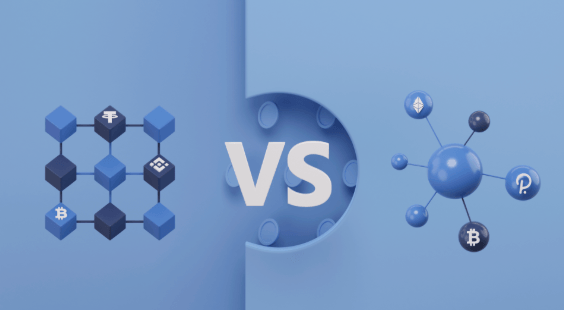
Digital banking represents a shift toward unified, real-time financial ecosystems that prioritize interoperability, auditable decision flows, and open APIs. Institutions balance data sharing with strict risk controls and privacy safeguards, while customers expect transparent costs and personalized experiences. The architecture supports cross-border payments and resilient operations under evolving regulation. As incumbents and newcomers navigate compliance, security, and cost structure, the next moves will redefine access, trust, and competitive advantage—urging stakeholders to consider which path aligns with their risk appetite and capital.
What Digital Banking Looks Like Today
Digital banking today is characterized by seamless, multi-channel access, real-time transactions, and heightened emphasis on security and compliance.
The landscape aggregates user-centric platforms with robust governance, transparent risk metrics, and modular architectures.
Emphasis on data sovereignty and open APIs enables controlled data sharing, regulated interoperability, and auditable decision flows, supporting strategic risk-adjusted growth while preserving user autonomy and regulatory alignment for freedom-oriented stakeholders.
Why It Works: Convenience, Security, and Personalization
There are clear, data-backed reasons why digital banking accelerates value: convenience, security, and personalization each translate into measurable outcomes for users and institutions.
The framework highlights efficiency gains and risk controls, while acknowledging convenience tradeoffs and security vs. privacy.
Adoption hinges on reliable authentication, transparent data use, and consistent performance, delivering freedom through predictable, auditable improvements rather than speculative benefits.
How to Choose the Right Digital Banking Setup for You
As customers weigh the benefits outlined in the prior discussion—convenience, security, and personalization—their next step is to select a digital banking setup aligned with personal needs and risk tolerance.
The analysis favors modular ecosystems, clear fee transparency, and onboarding friction minimized through documented criteria; decisions prioritize risk-adjusted cost-benefit outcomes, data controls, and durable freedom to adapt as circumstances evolve.
The Future of Digital Banking: What Comes Next
What comes next for digital banking hinges on the interplay between evolving consumer expectations, regulatory evolution, and advances in technology. The future prioritizes verifiable security, transparent privacy tradeoffs, and resilient infrastructure, enabling scalable services.
Strategic focus centers on cross border payments efficiency, identity verification, and risk-based authentication, balancing innovation with governance.
Firms pursue modular platforms, data analytics, and interoperable ecosystems to sustain trusted, freedom-enhancing financial access.
See also: newsfaa
Frequently Asked Questions
What Fees Are Hidden in Digital Banking Services?
Hidden fees exist, though uncommon; subscription charges may appear for premium services. A risk-averse analysis notes transparency varies, suggesting careful review of terms, fee schedules, and potential stealth costs to preserve financial autonomy and informed decision-making.
How Does Digital Banking Affect Credit Scores?
An example: a borrower’s timely digital payments improve credit history, while auto-savings nudges reduce utilization spikes. Digital credit evolves with scoring factors like payment cadence, utilization, and alternative data, guiding risk-averse, freedom-seeking strategies.
Can I Access Accounts Offline or Without Internet?
Offline access is generally unavailable for most accounts; services require internet connectivity. From a risk perspective, device security must be robust, and users should preserve online capabilities to maintain account integrity while weighing offline workarounds cautiously for strategic freedom.
What Happens if My Device Is Lost or Stolen?
Investigations suggest a robust response: a lost device or stolen device triggers remote lock, swift logout, and credential revocation, plus device tracking and fraud alerts. Risk-averse measures protect assets while preserving user freedom and control.
How Do Digital Wallets Integrate With Traditional Banks?
Digital wallet integration enables seamless funding and transfers, while traditional bank interoperability ensures synchronized balances and security controls. This data-driven approach highlights risk factors, governance needs, and strategic use of standards to preserve user autonomy and financial resilience.
Conclusion
Digital banking blends effortless access with rigorous controls, delivering speed alongside scrutiny. Juxtaposing near-instant settlement and granular audit trails reveals a core tension: convenience versus compliance. Data-driven dashboards show rising personalization, yet privacy mandates tighten accepted trade-offs. Institutions gain resilience through modular, interoperable architectures, while customers demand transparent costs and accountable decision flows. The future hinges on auditable APIs and cross-border interoperability that preserve trust without stifling innovation, balancing rapid Digital Banking with prudent, risk-aware governance.